
Click on a photo to enlarge it.
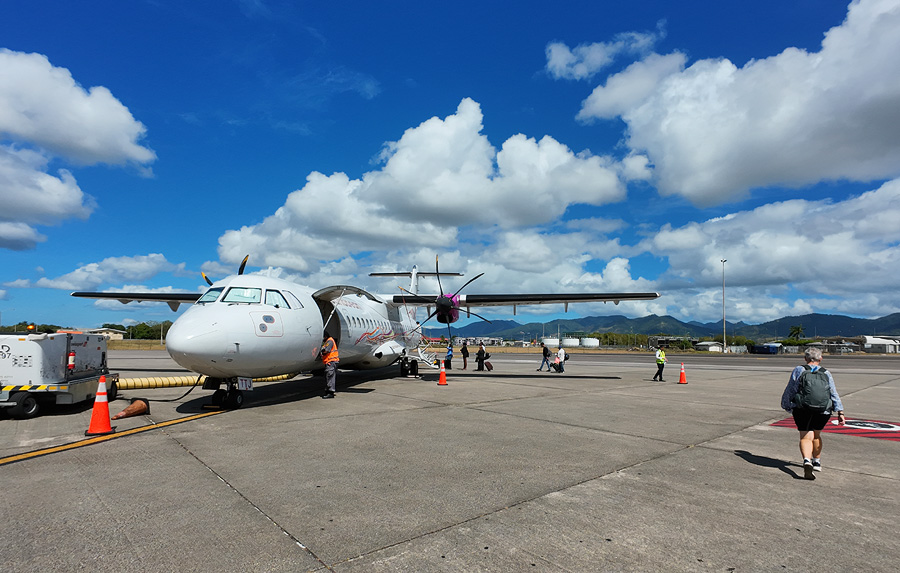
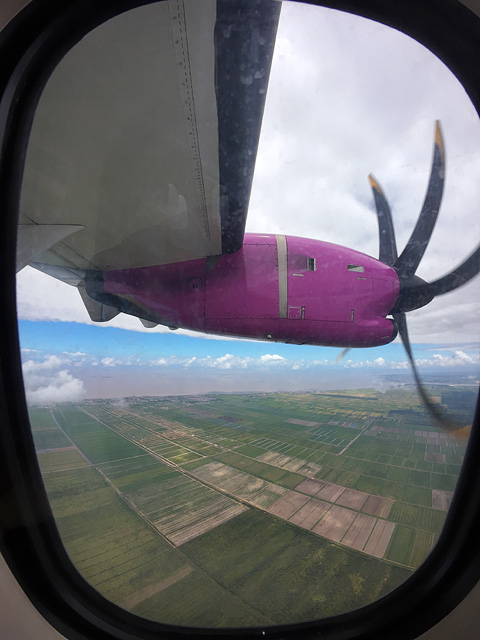
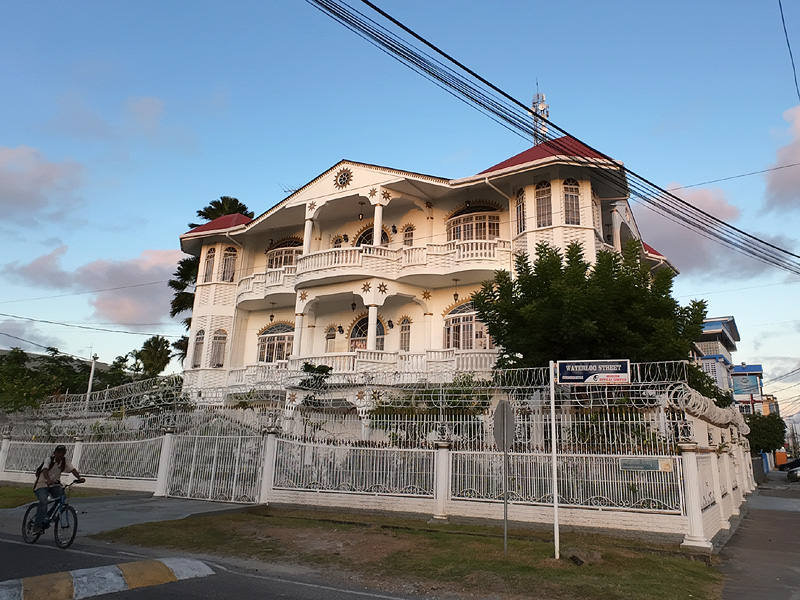
After our short stint in Trinidad we fly to Georgetown in Guyana. Originally we had planned to fly to the famous Kaieteur Falls and spend a night there, but the lodge has been closed for a while now. So now we have 5 full days in Georgetown - a city that we instantly dislike - but there is still lots to see and we make the best of our time here.
The flight time is 1 hour and 50 minutes and we paid 350 US$ for the two of us for it. We are looking forward to our next destination - the former British Guyana - the only mainland South American nation in which English is the official language although the majority of the population speaks Guyanese Creole, an English-based creole language.
Guyana is the third-smallest sovereign state by area in mainland South America after Uruguay and Suriname, and is the second-least populous sovereign state in South America after Suriname; it is also one of the least densely populated countries on Earth.
It is the only mainland South American nation in which English is the official language. However, the majority of the population speak Guyanese Creole, an English-based creole language, as a first language.
In 2017, 41% of the population of Guyana lived below the poverty line but Guyana's economy has been undergoing a transformation since the discovery of crude oil in 2015. Commercial drilling started in 2019, with the economy growing by 49% in 2020, making it, by some accounts, currently the world's fastest-growing economy. As it is said to have 11 billion barrels in oil reserves, the country is one of the largest per capita oil producers in the world. Guyana is now ranked as having the fourth-highest GDP per capita in the Americas after the United States, Canada, and The Bahamas. According to the World Bank in 2023, very significant poverty still exists and the country faces significant risks in structurally managing its growth.
The main economic activities in Guyana are agriculture - mainly rice and Demerara sugar - bauxite and gold mining, timber, seafood, minerals, crude oil and natural gas.
Although Christopher Columbus was the first European to sight Guyana during his third voyage in 1498, the Dutch were the first Europeans to establish colonies. France invaded the Dutch Republic in 1795 before the British assumed control in 1796.
Guyana achieved independence from the United Kingdom as a dominion in 1966 and became a republic in 1970, remaining a member of the Commonwealth.
Today the largest ethnic group is the Indo-Guyanese - the descendants of indentured labourers from India who make up 43.5% of the population. They are followed by the Afro-Guyanese, the descendants of enslaved people brought from Africa, primarily West Africa, who constitute 30.2%. The Guyanese of mixed heritage make up 16.7%.
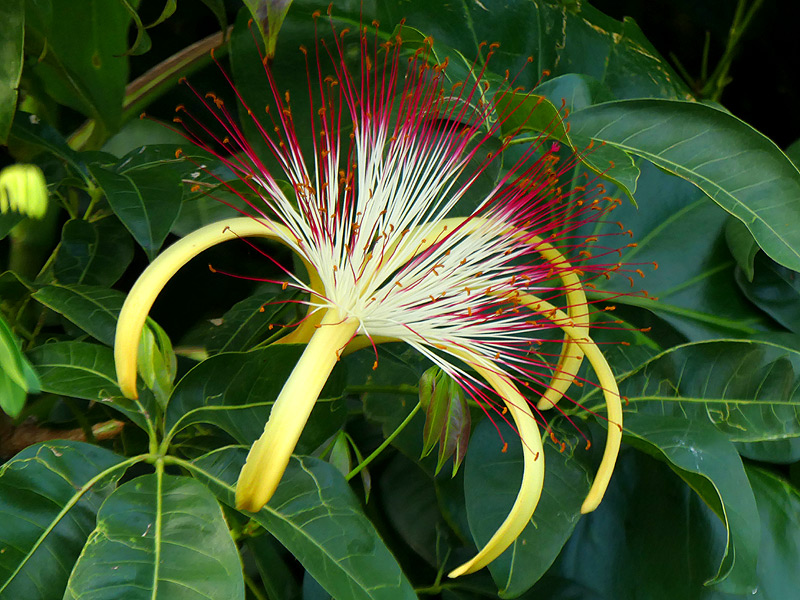
The country has one of the highest levels of biodiversity in the world. More than 80% of Guyana is still covered by forests, which also contain the world's rarest orchids and is home to more than a thousand species of trees. Guyana's tropical climate, unique geology, and relatively undisturbed ecosystems support extensive areas of species-rich rain forests and natural habitats with high levels of endemism. There are about 8000 species of plants in Guyana, half of which are found nowhere else.
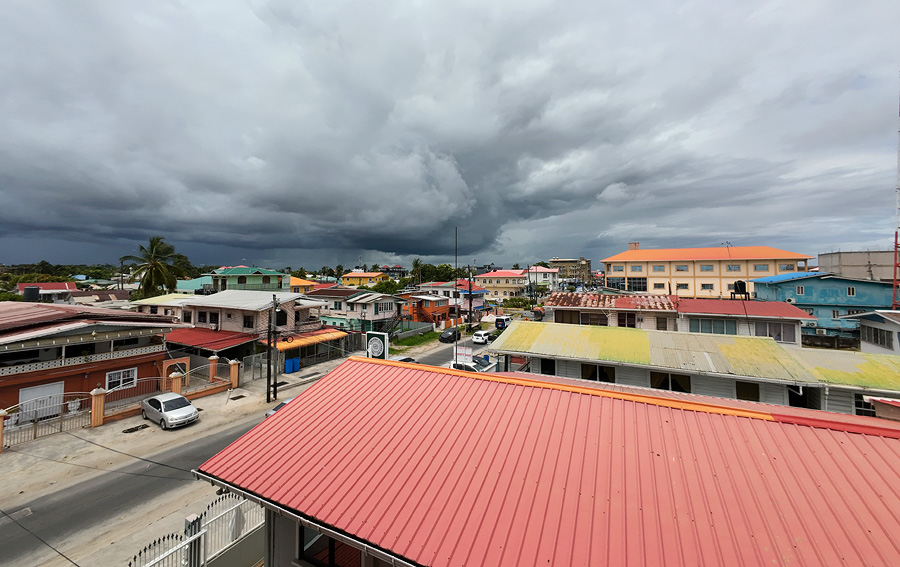
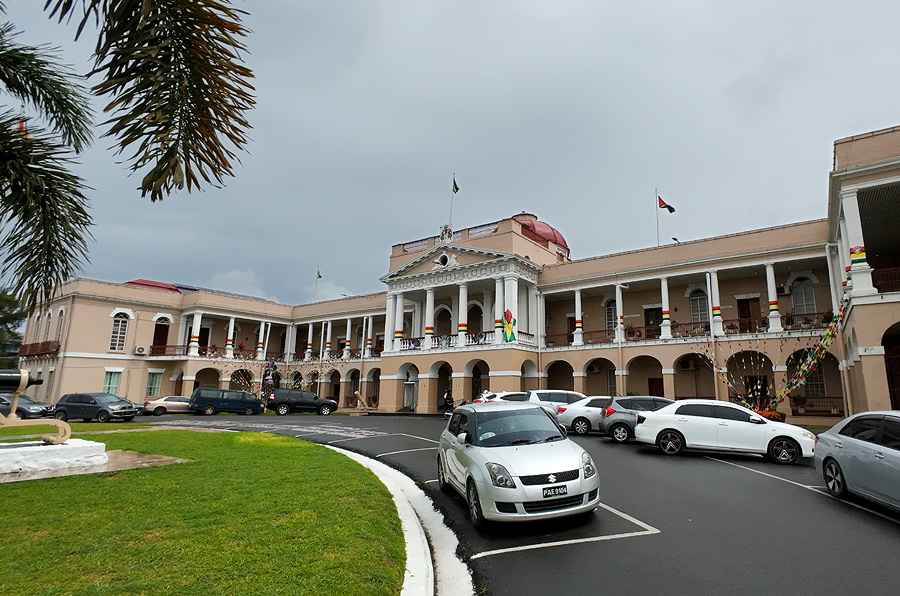
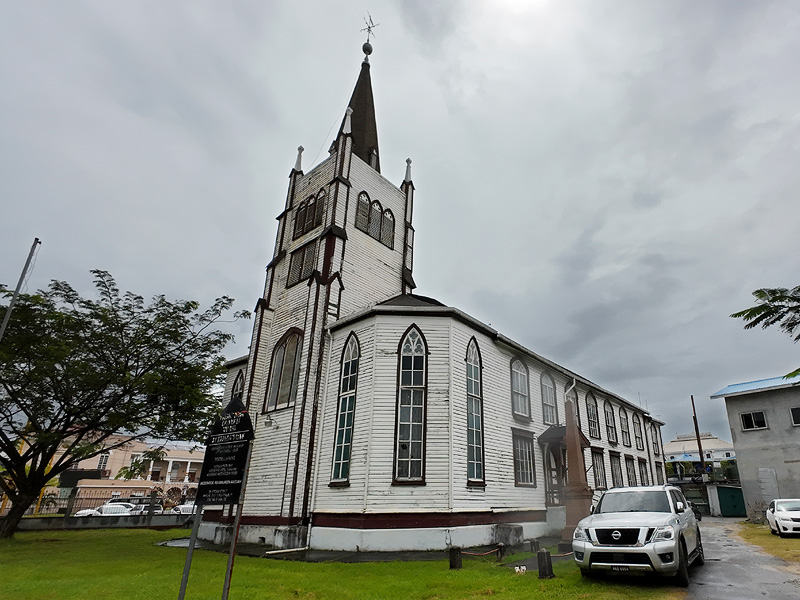
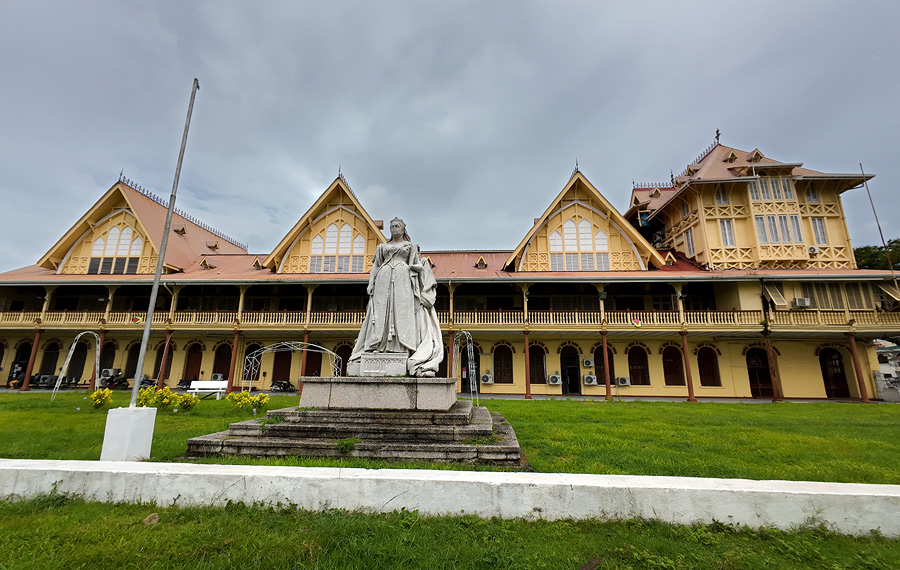
Georgetown is the capital and largest city of Guyana with a population of around 120,000. It is situated on the Atlantic Ocean coast on the east bank of the Demerara River estuary and nicknamed the "Garden City of the Caribbean."
The city is surrounded by a blanket of cane fields along with marshy swamps, and savannah lands on its east and south. The land is one metre below the high tide level and protected by a retaining wall known as the seawall to keep the ocean out. An innovative network of canals drain the city of excess water.
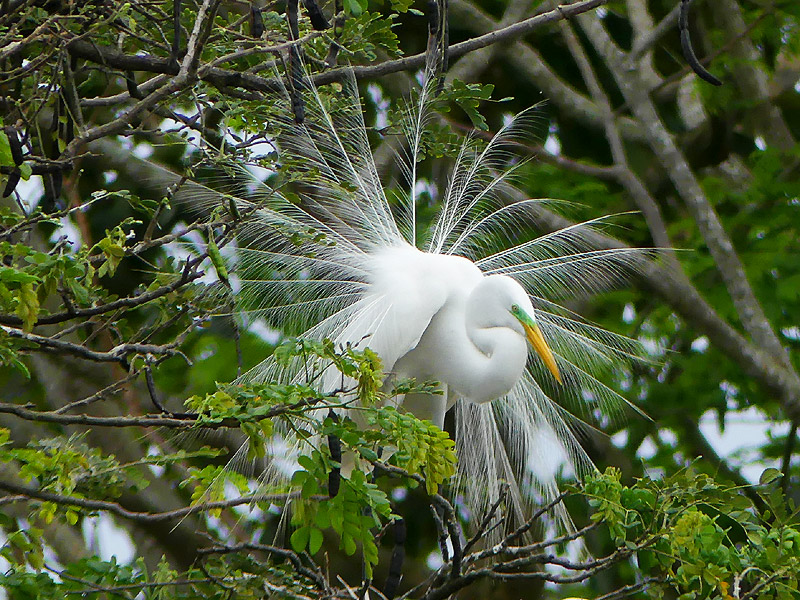
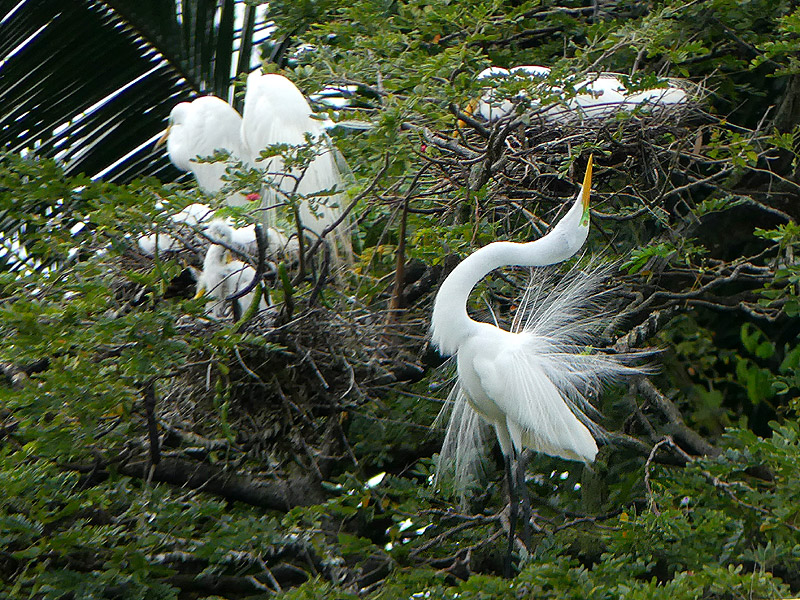
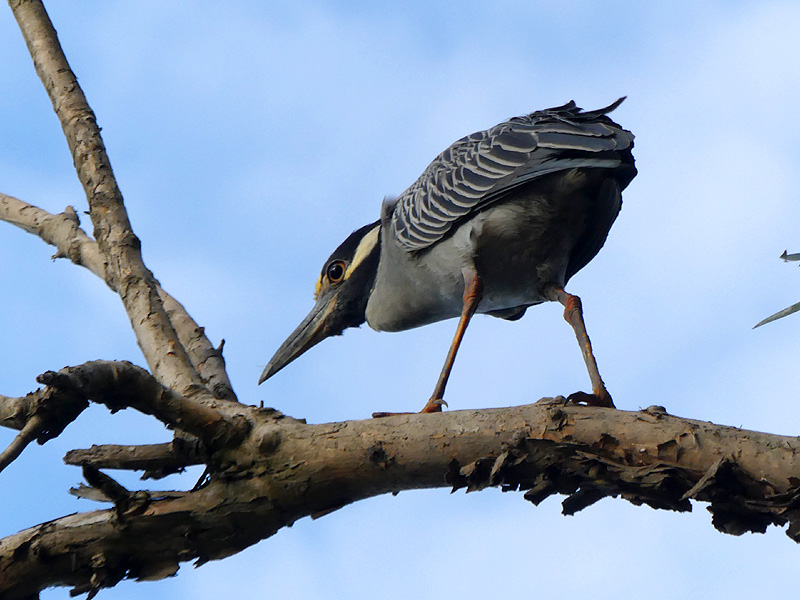
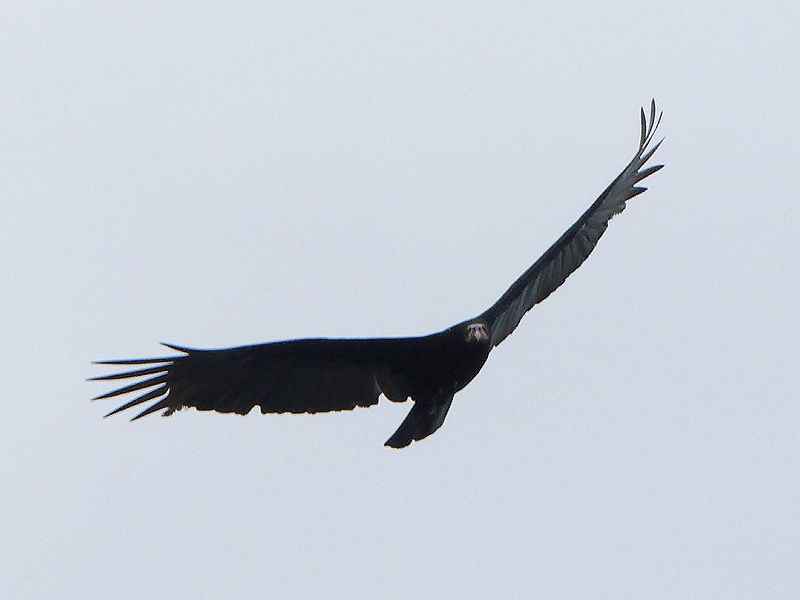
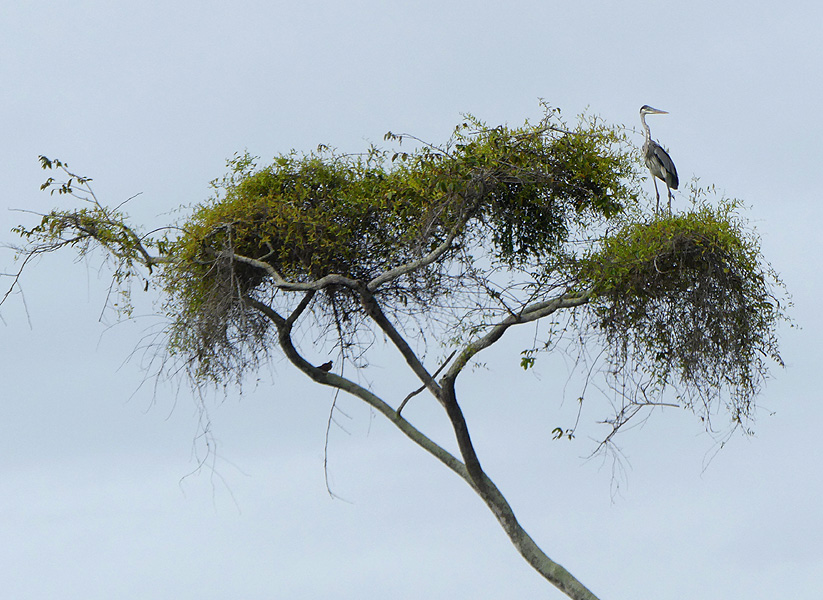
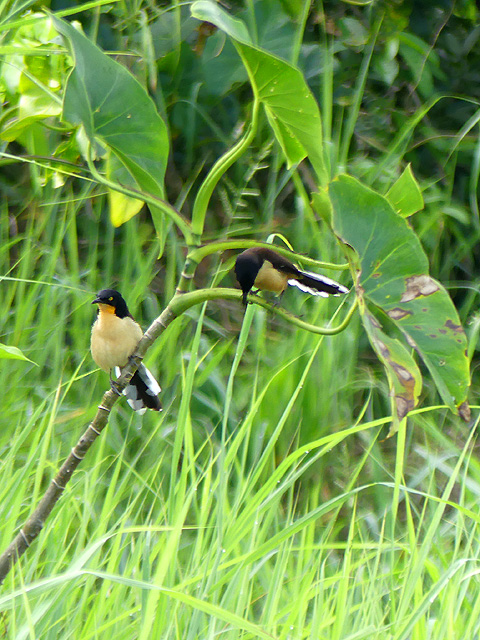
We are booked on an early morning bird watching tour on the Mahaica River with Ramish. He also organized a taxi driver for the 1 hour and 15 minute drive but Emran is 20 minutes late … grrr! Waiting in the dark street outside our apartment at 4.45 is not our thing. Hopefully the tour is worth it!
The tour costs 14000 GYD, which is roughly 70 US$ for the 2 of us, plus 16000 GYD for the taxi but Emran is waiting for us and will drive us back after the boat trip. There is no other option to get out here otherwise.
Ramish - our guide - is a very nice man and speaks really good and understandable English. He and his family live on the river for a long time now and he knows all the birds and other wildlife found along the Mahaica river.
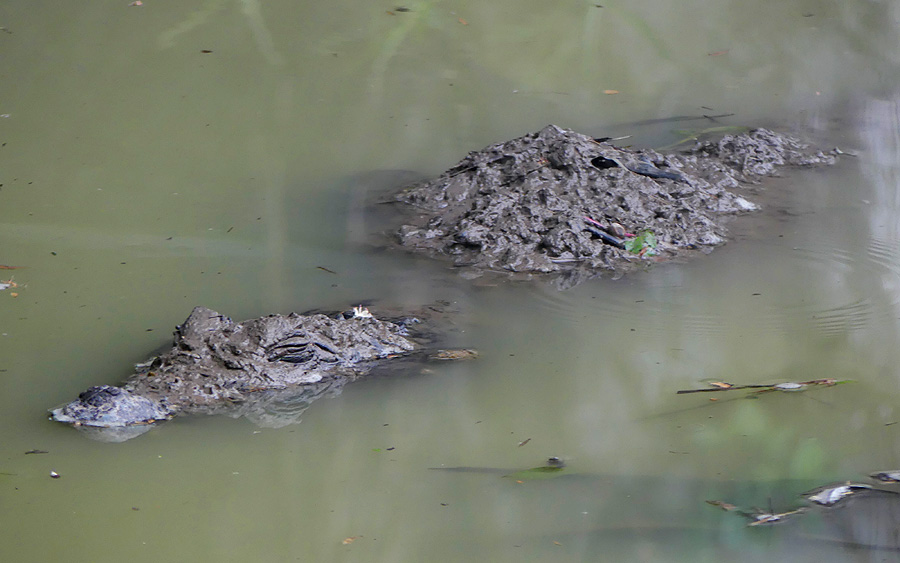
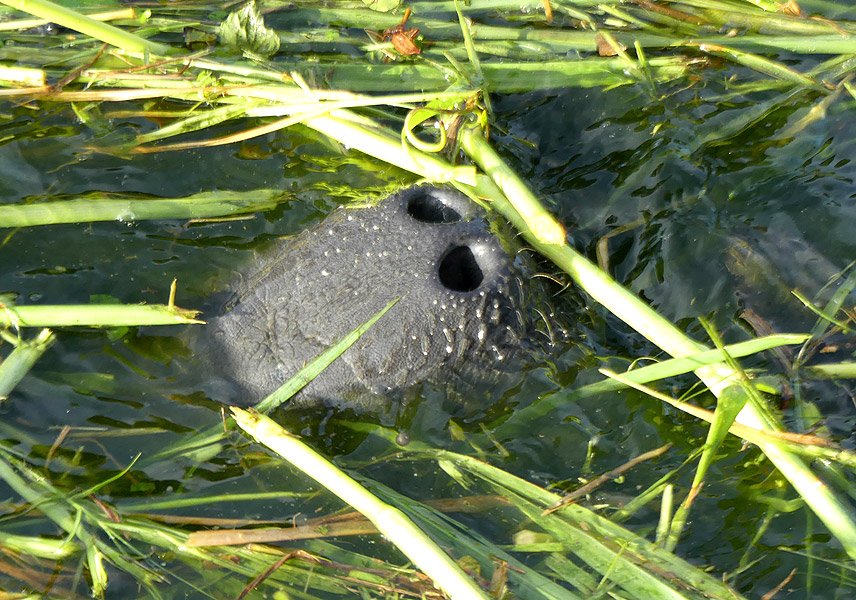
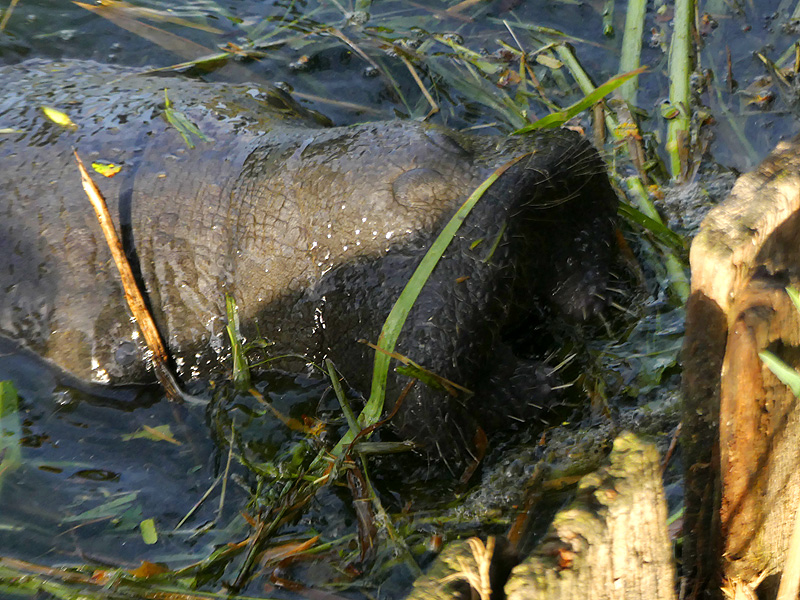
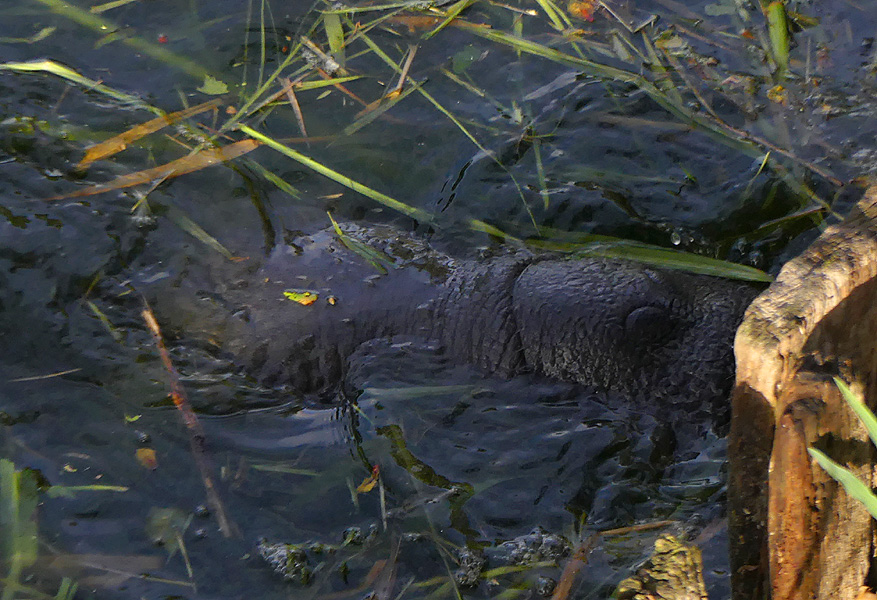
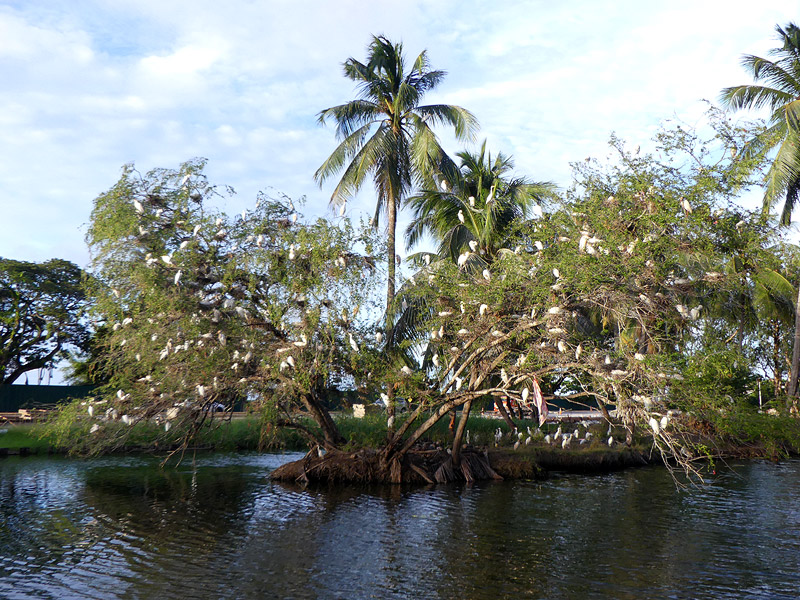
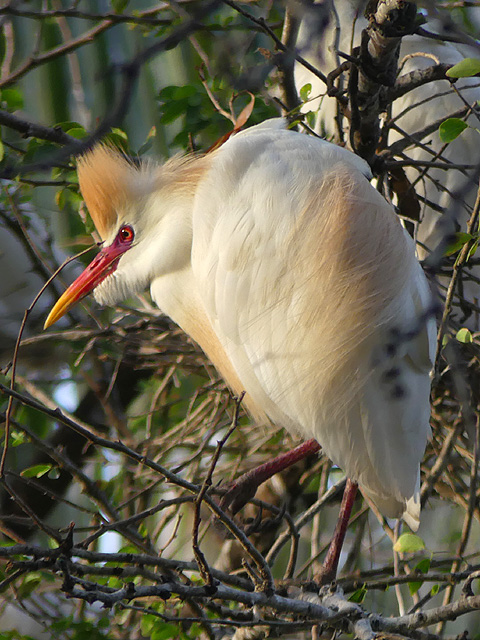
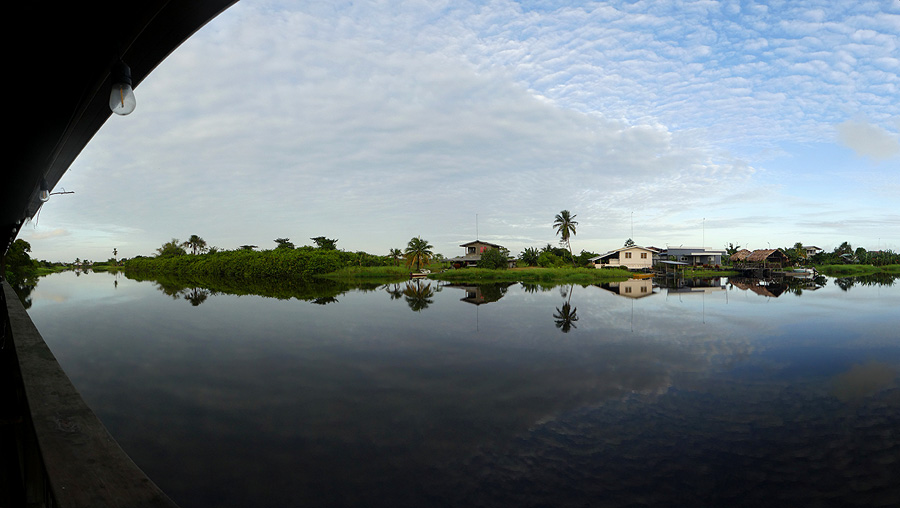
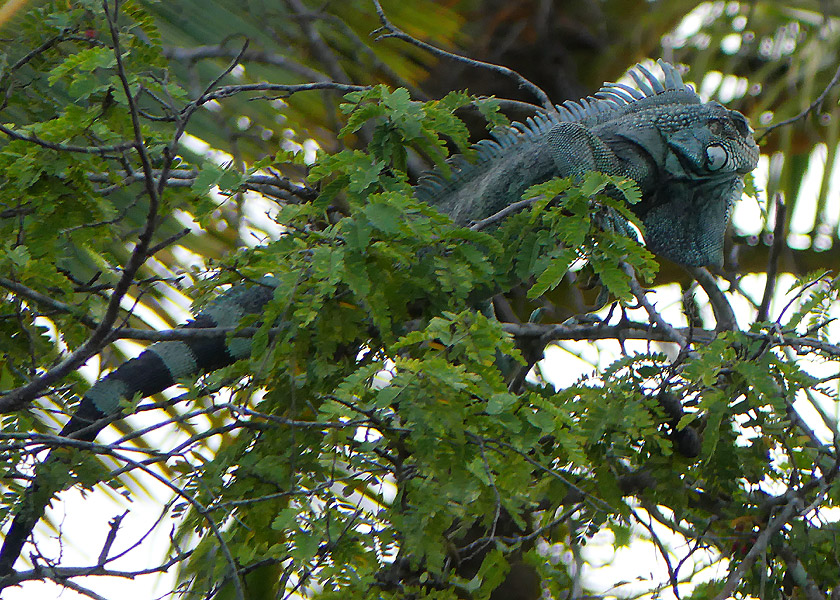
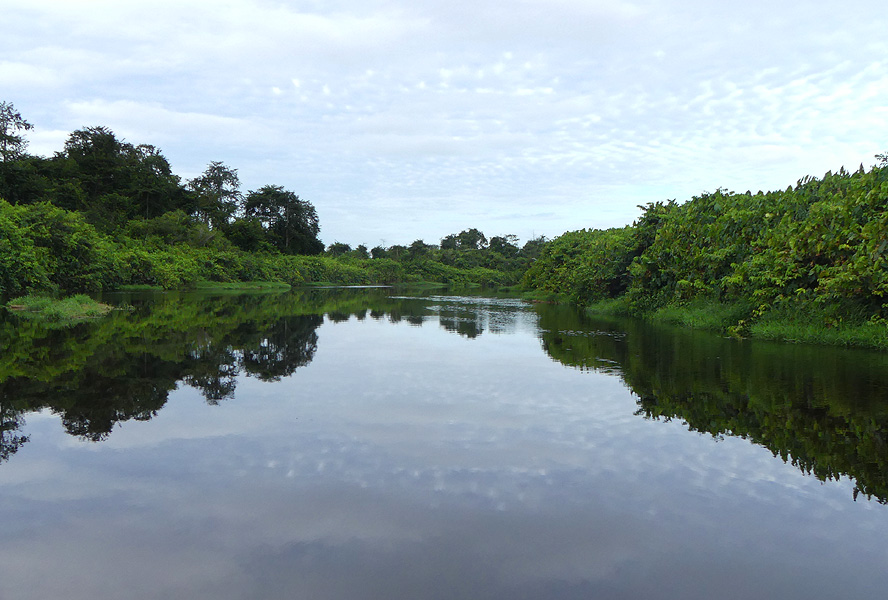
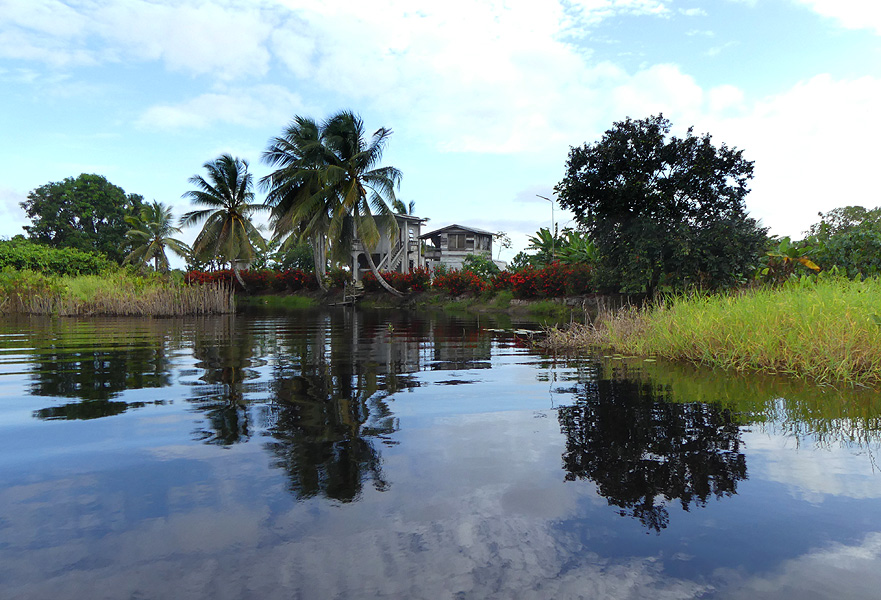
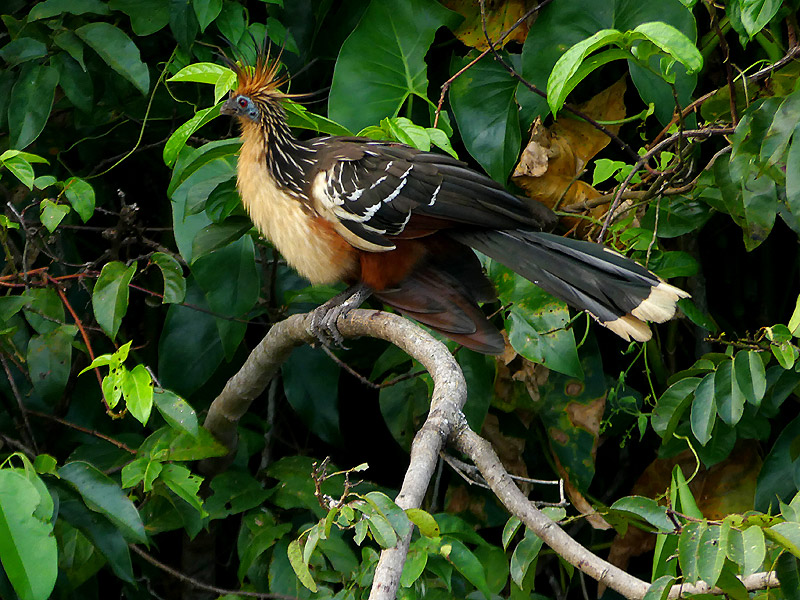
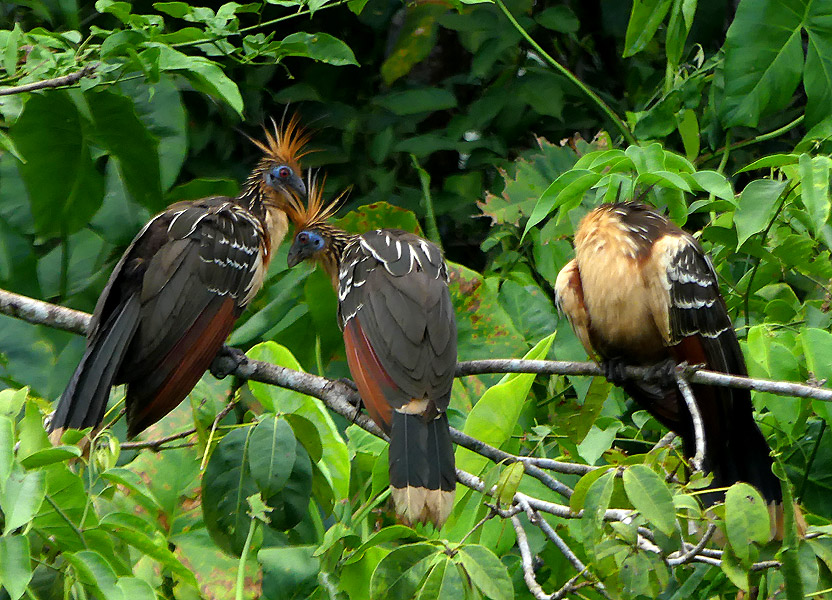
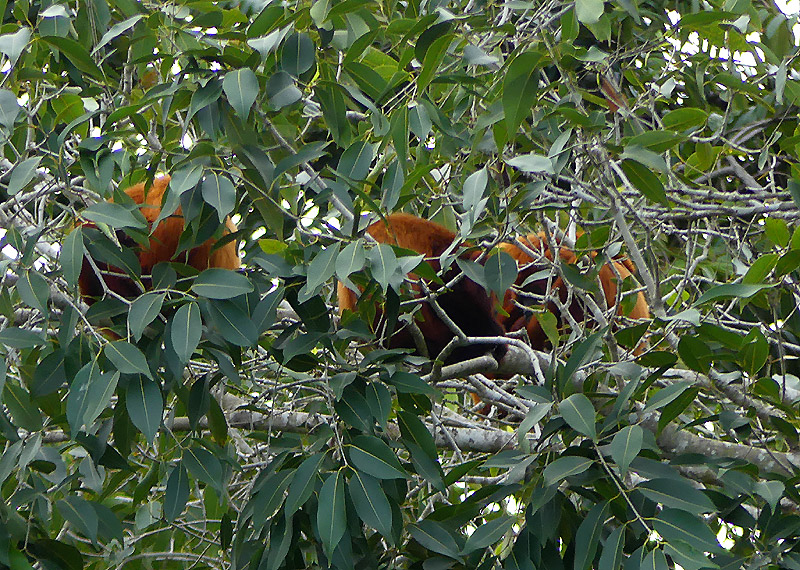
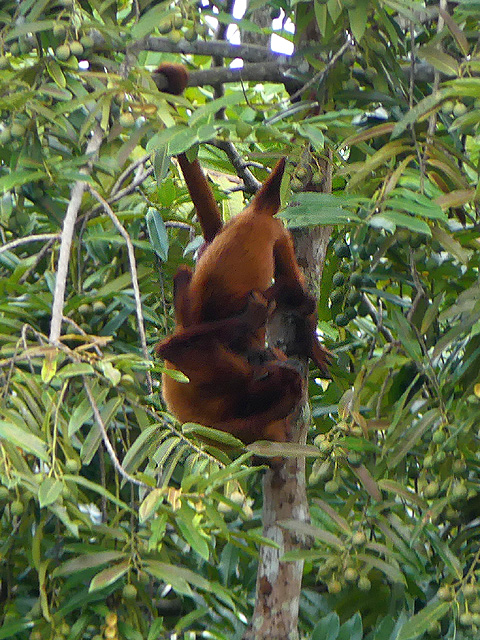
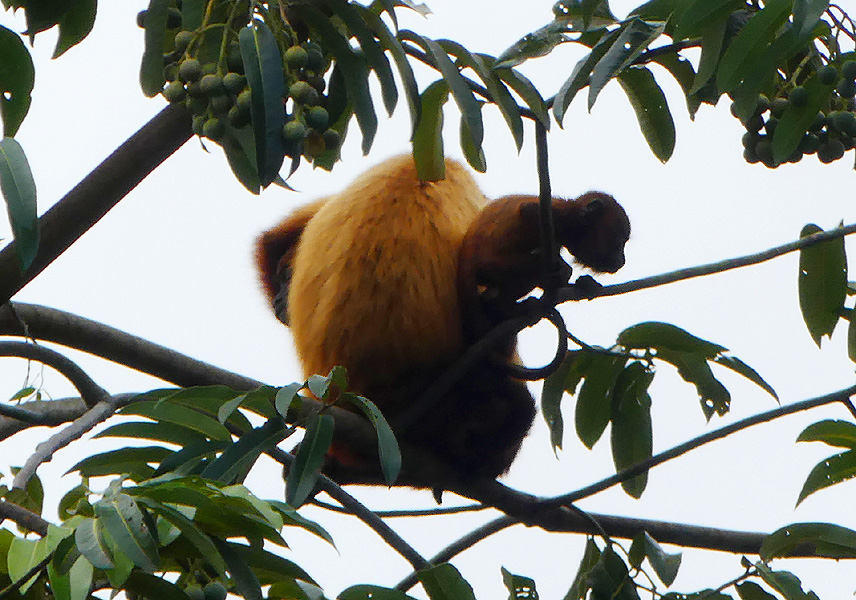
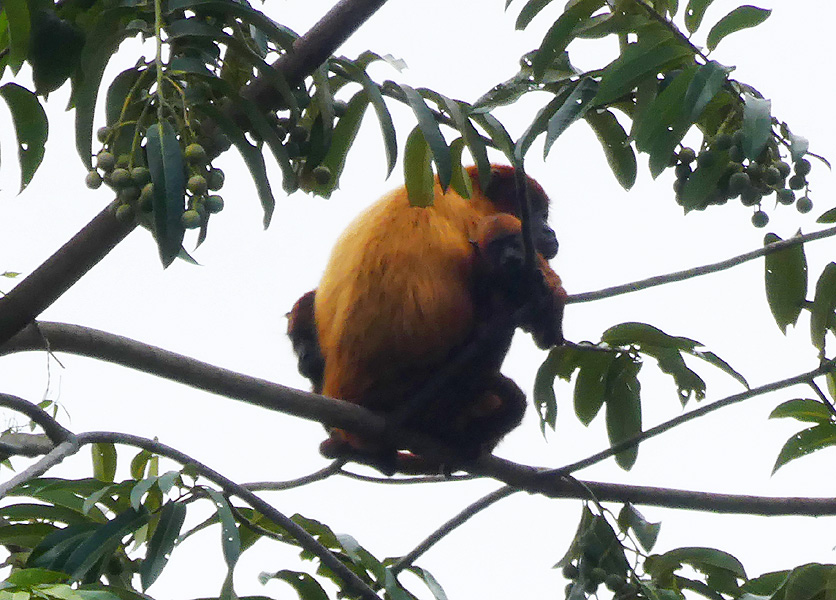
It's a really peaceful morning with a lovely reflection on the river which is well known for bird-watching and other wildlife including river otters, howler monkeys and the hoatzin - Guyana's national bird.
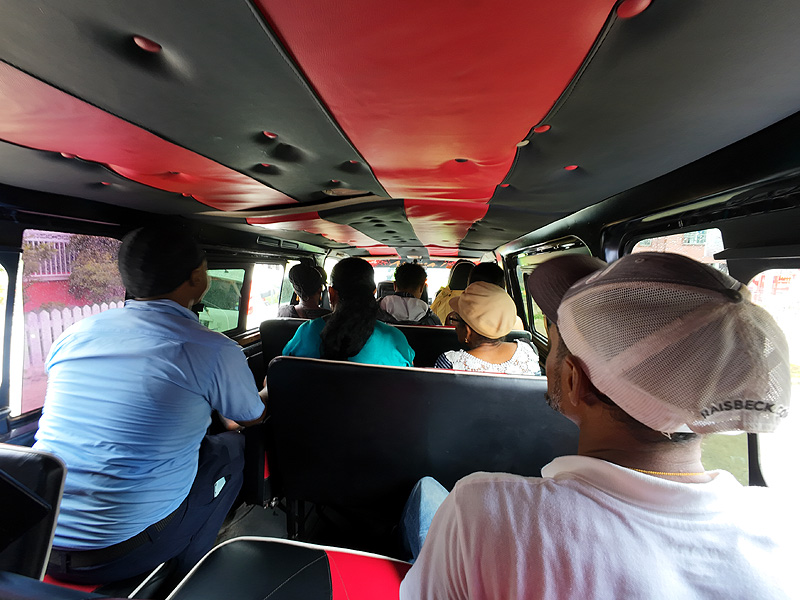
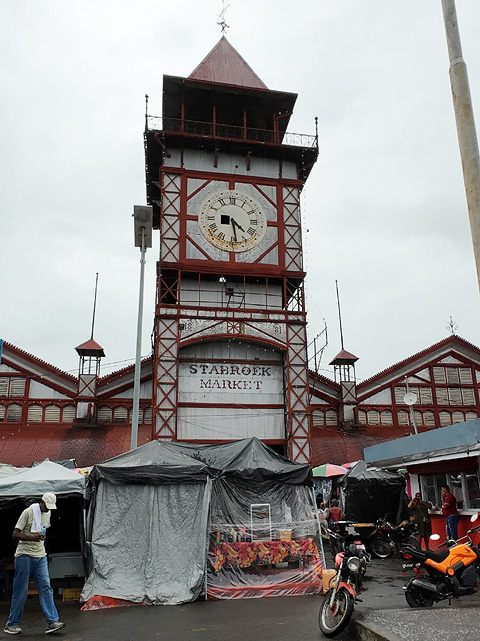
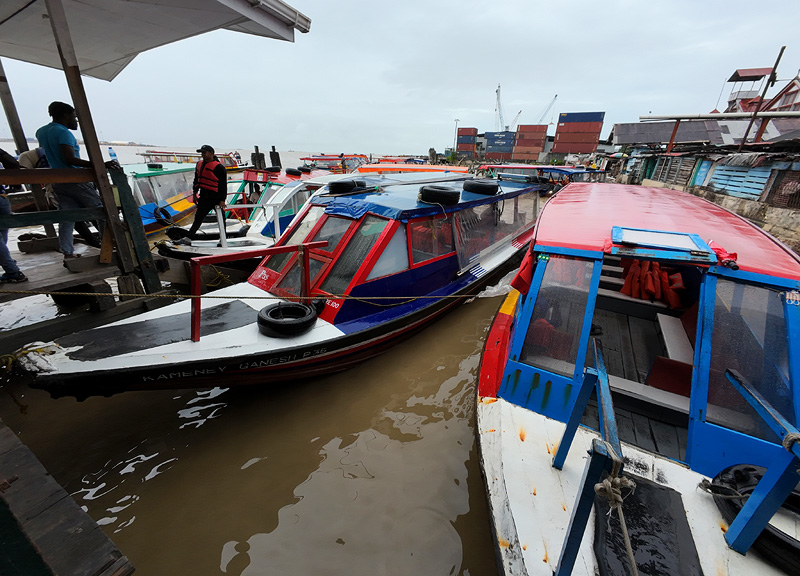
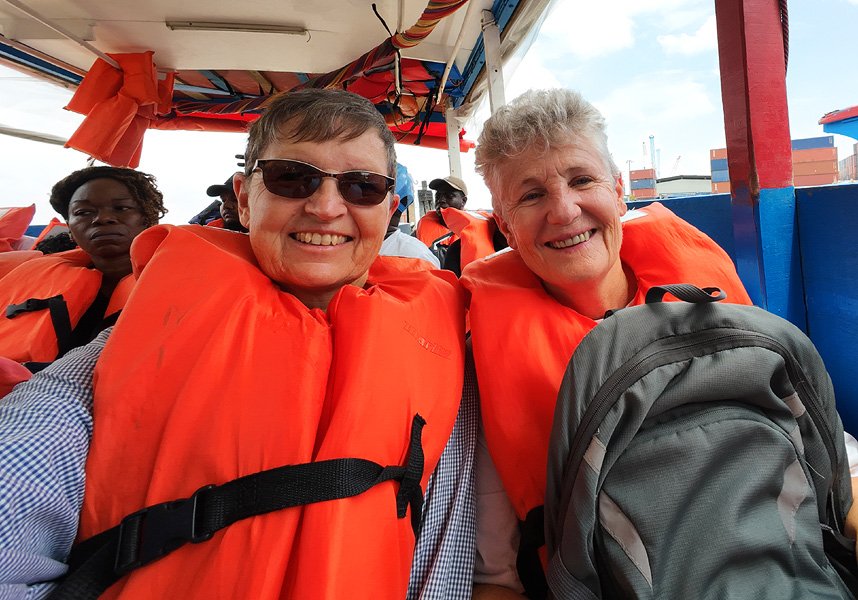
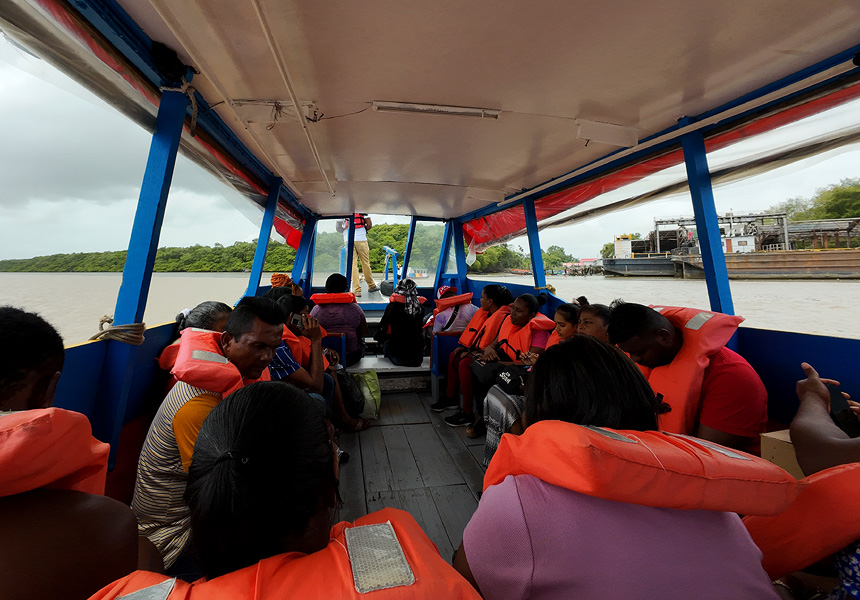
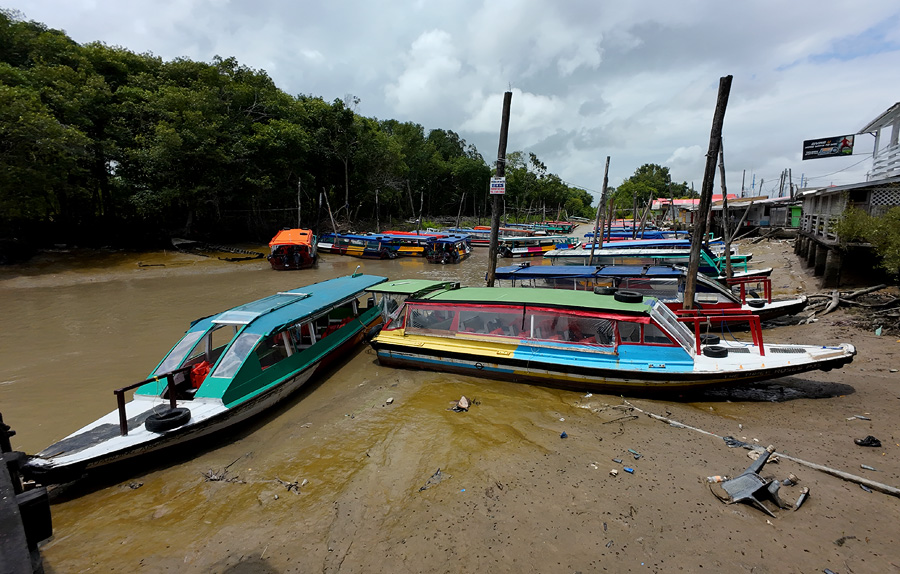
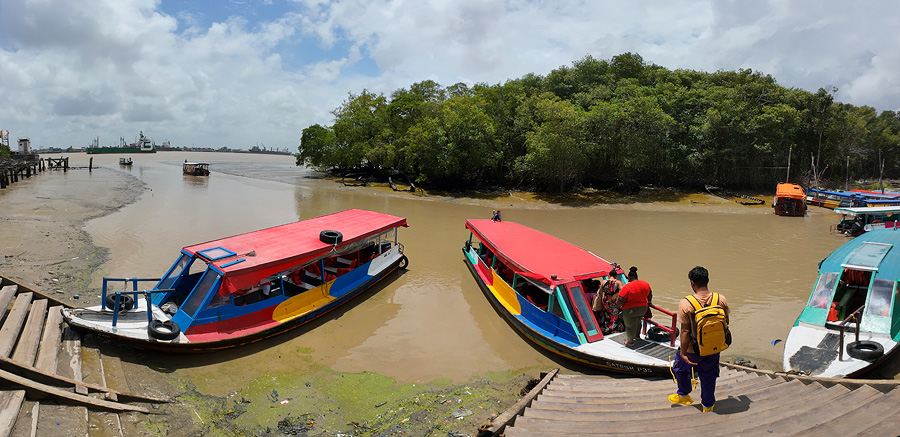
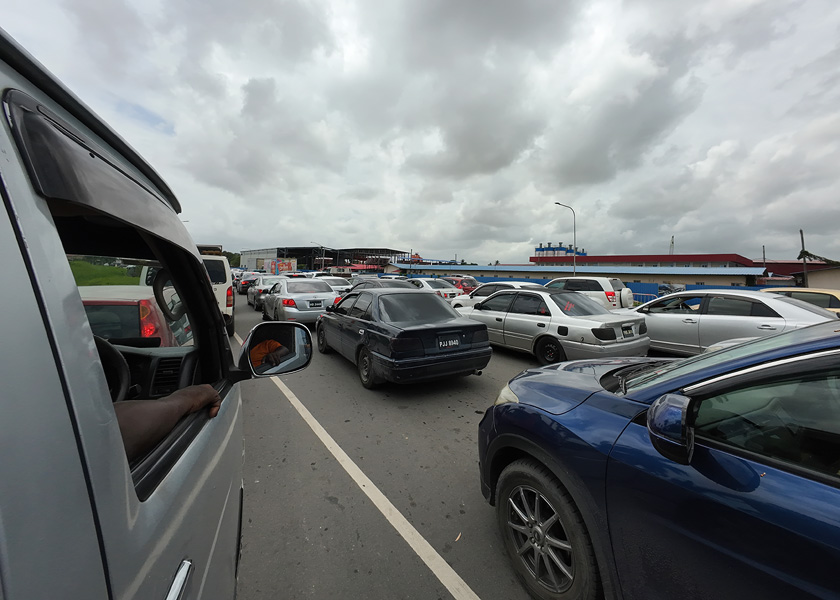
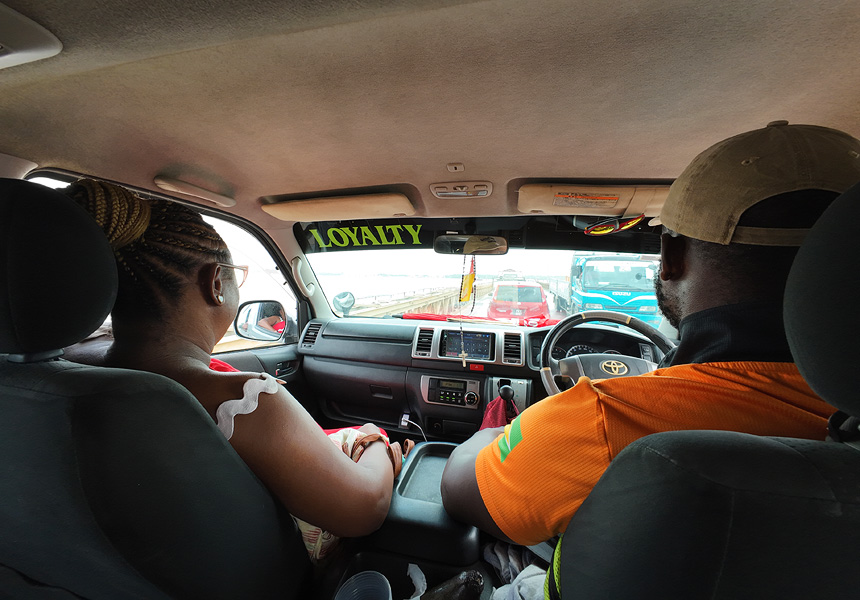
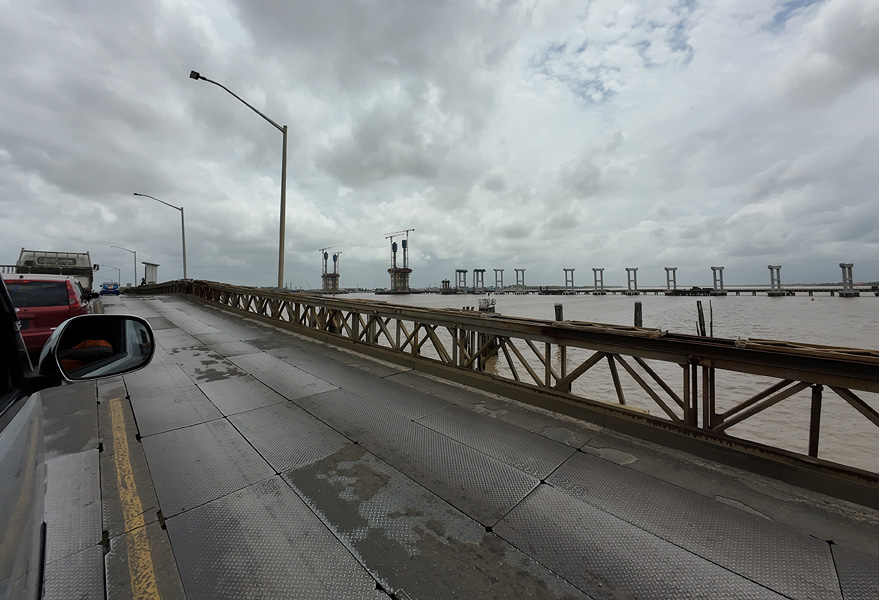
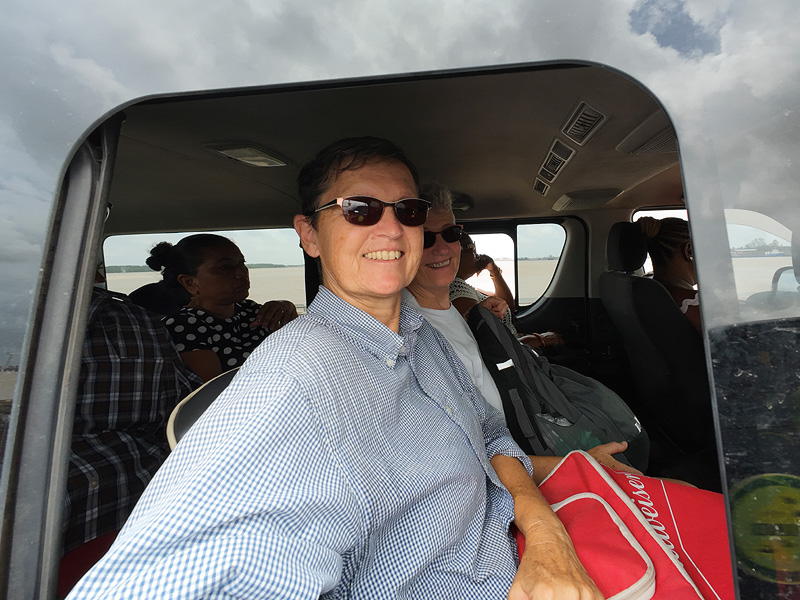
On our last full day in Georgetown we take a minibus to Stabroek Market and then a speedboat across the Demerara River. 20 minutes later we take another minibus and drive back across the famous pontoon Demerara Harbour Bridge. This is by far the cheapest way to see this unique bridge that is passed by almost 20.000 vehicles every day.
The Demerara Harbour Bridge is a 1,851m long floating toll bridge that crosses the Demerara River. It was commissioned on 2 July 1978.
In August 2017 plans were announced to construct a new bridge two kilometres north of the existing bridge. The new Demerara Harbour Bridge project will be officially open on October 5, 2025. This four-lane, high-span, cable-stayed bridge spans 2.6 kilometres across the Demerara River. Built by China Railway Construction Corporation Limited at a cost of US$260 million, the bridge is designed to last 100 years and accommodate vehicles travelling at speeds up to 80 km/h - more than double the speed allowed on the aging Demerara Harbour Bridge it replaces.

